
Composite deck installation in Sanford, Florida
Low-maintenance decking with consistent colour — chosen and installed with Florida heat, humidity and rain in mind.
Composite decking is made from a blend of wood fibres and plastics, usually with a protective outer shell. For many Sanford homeowners it is appealing for one reason: you spend your weekends using the deck rather than sanding and sealing it.
It isn't the right answer for every project, and the brands and product lines vary a lot. We'll help you understand the trade-offs, choose a colour and texture that works in direct Florida sun, and install it to the manufacturer's requirements so the warranty and the deck both hold up.
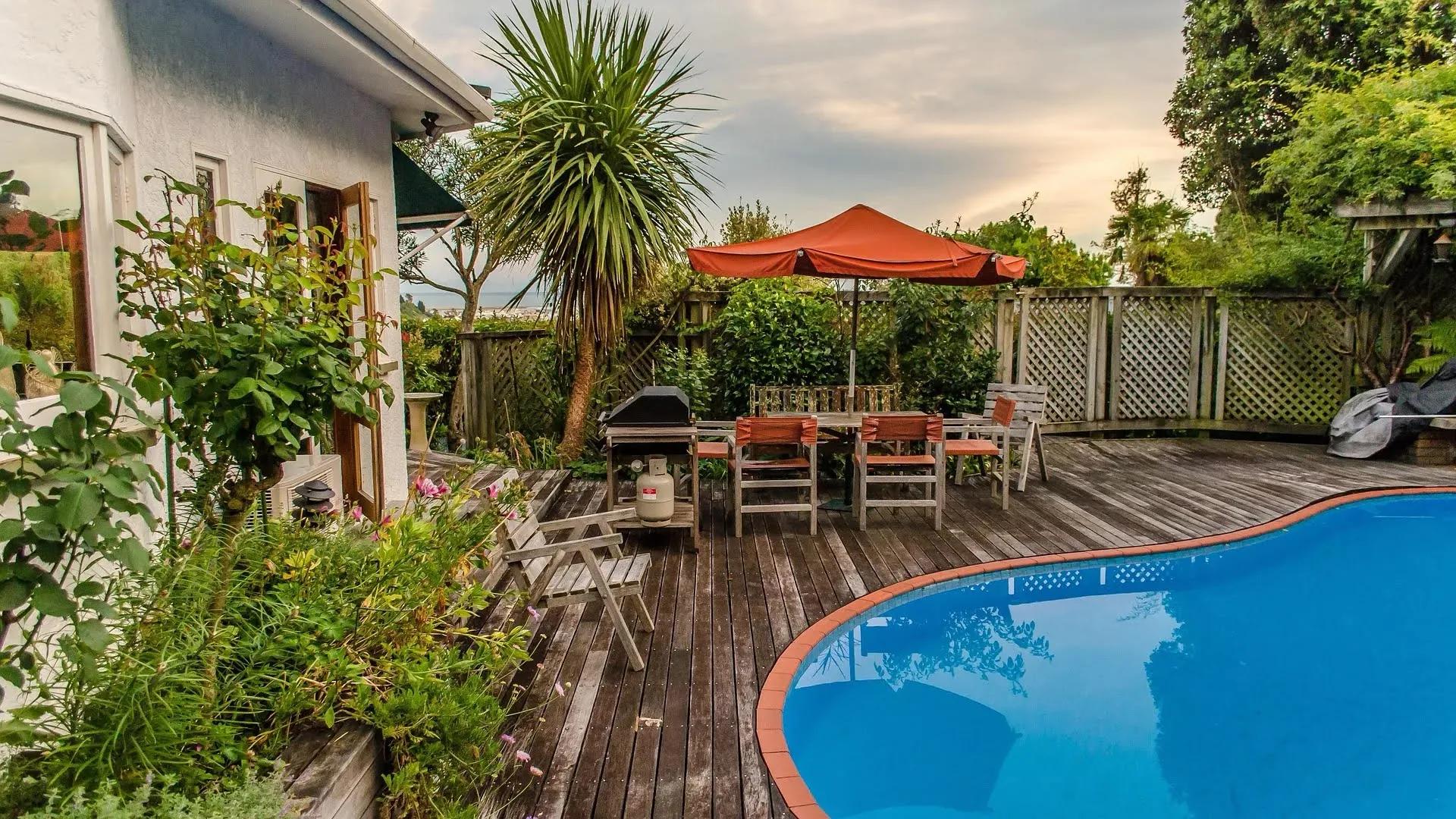
What composite does well
Capped composite boards resist fading, staining and the kind of surface mould that grows quickly on untreated wood in humid weather. They don't need annual sealing, they don't splinter, and the colour stays more consistent from board to board. Many lines offer realistic wood-grain textures and multi-tone colours that look far more natural than early composites did.
- No staining or sealing schedule
- Splinter-free surface for bare feet and pool areas
- Resistance to rot and insect damage in the boards themselves
- Hidden-fastener options for a clean, screw-free surface
What to plan around
Composite generally costs more up front than pressure-treated wood. Darker colours can get noticeably hot in direct sun, which matters around pools and on west-facing decks. Composite also expands and contracts with temperature, so gapping, fastening and end spacing have to follow the manufacturer's instructions closely.
Most composite decks are still framed in pressure-treated lumber, so the structure underneath needs the same care as any wood deck: proper footings, correct hardware, flashing at the house and good airflow.
Choosing the right board
We'll show you samples and talk through finish, colour, texture, board width and how each product handles heat and slip resistance. Seeing samples outside, in your own yard and light, is the best way to choose. We'll also check joist spacing requirements for the board you pick, since some boards and diagonal patterns need closer framing.
Materials and options
- Capped composite
- A protective polymer shell over a composite core; the most common modern option.
- PVC / cellular decking
- No wood content; very moisture resistant and often lighter in weight.
- Hidden fastener systems
- Clips that hold boards from the edge for an uninterrupted surface.
- Matching fascia and stair treads
- Finishes the edges and covers the framing for a complete look.
What you gain
- More time using it
- Routine care is usually soap, water and a soft brush.
- Consistent appearance
- Colour and texture stay uniform across the deck.
- Comfortable underfoot
- No splinters, and lighter colours stay cooler in sun.
- Built to spec
- Installed to the manufacturer's gapping and fastening requirements.
Common problems we solve
- Your wood deck needs sealing every year and still looks tired.
- Composite removes the sealing cycle. If the framing underneath is sound, re-decking with composite may be an option.
- You've heard composite gets too hot.
- Colour and product choice make a real difference. We'll show options that stay more comfortable and suggest shade where it helps.
- You're worried it will look plastic.
- Current multi-tone, textured boards look much closer to wood. Samples in your own light settle the question.
- You need it to work around a pool.
- We'll focus on slip resistance, heat and drainage, and on how the deck meets the pool deck or coping.
Planning for Florida conditions
In Central Florida, the case for composite is mostly about humidity and sun. Damp conditions encourage mildew and decay on wood, while intense UV breaks down stains quickly. A capped board shrugs off much of that, though it still benefits from occasional cleaning to remove pollen and organic debris.
Heat is the trade-off to take seriously. Choosing a lighter colour, adding a pergola or cover over the main seating area and leaving space for airflow beneath the deck all help. We'll weigh these together rather than treating board colour on its own.
Code and permit information here is general guidance, not legal or engineering advice. Requirements for your project are confirmed with the applicable building department.
Composite Deck Installation: questions
Neither is better in every case. Composite costs more initially and needs less upkeep; wood is usually more economical and can be refinished. We'll compare both for your project.
Ready to talk about composite deck installation?
Tell us about your home and what you have in mind, and we'll arrange the next step toward your free estimate.